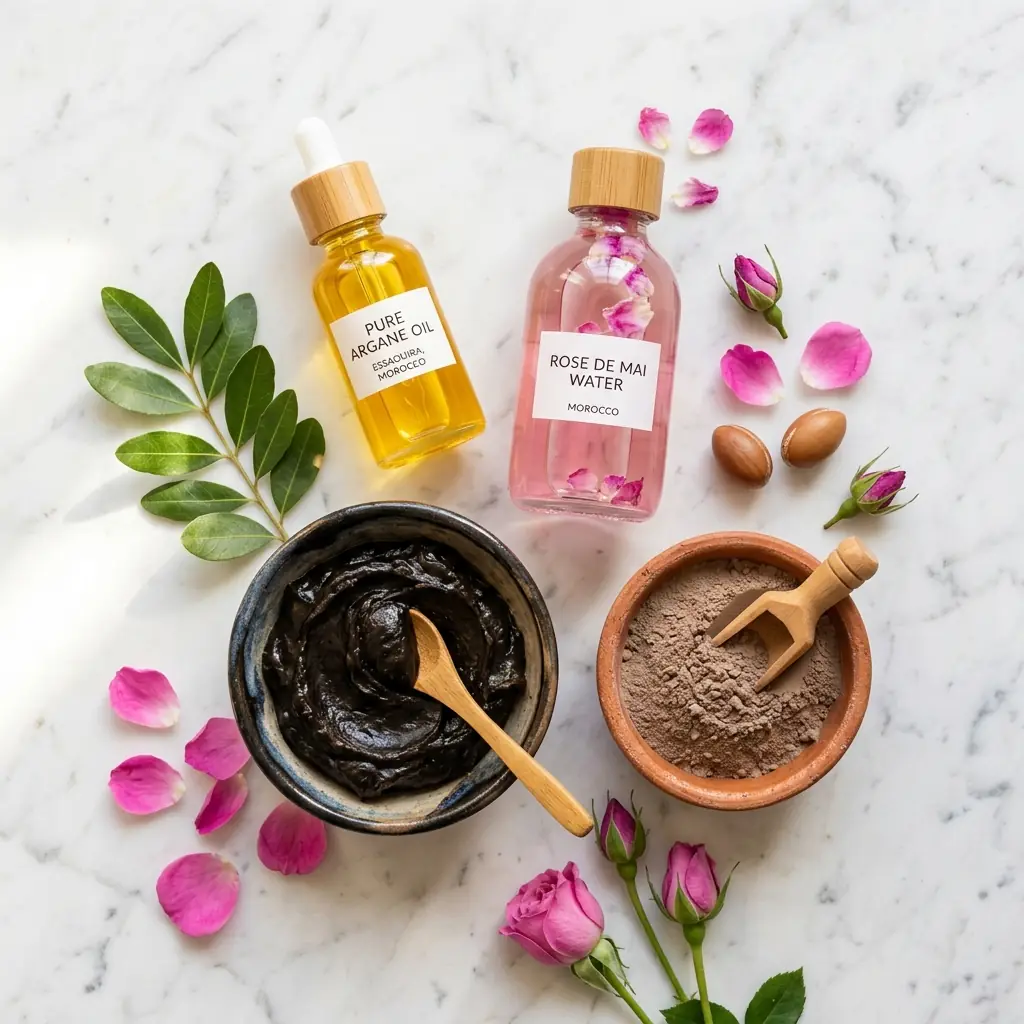
Benefits of Moroccan Beauty Ingredients
Argan oil, rhassoul clay, black soap and rose water have been part of Moroccan beauty rituals for generations. Today they are also some of the most requested ingredients in natural skincare.
We produce and export these ingredients, and we get asked the same question every week: what do they really do? This section answers it honestly. For each ingredient, we separate what research supports, what tradition suggests, and what is simply marketing — so you can use them well, and so brands can make claims they can defend.
How We Write About Benefits
Every benefit on our pages is labelled by the strength of the evidence behind it:
| Label | What it means |
|---|---|
| Supported by studies | Shown in human clinical studies or well-designed lab studies |
| Traditional use | Used for generations in Morocco; plausible, but not formally proven |
| Not supported | Popular claim with no good evidence — we tell you so |
Explore the Ingredients
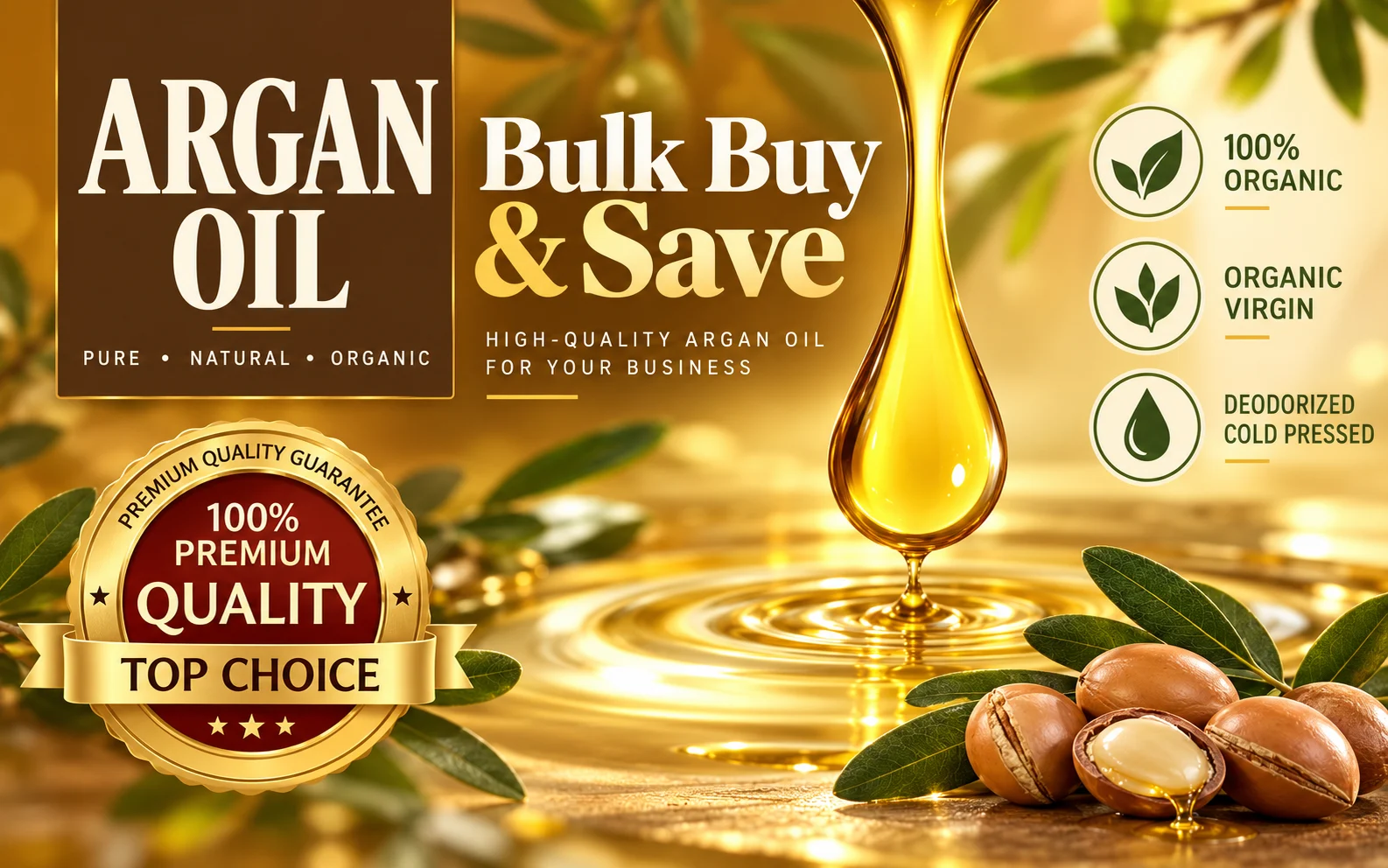
Argan Oil
The best-researched Moroccan ingredient. Studies support its ability to help skin retain moisture and improve elasticity, and to help protect color-treated hair. It does not make hair grow.
Best for: dry and mature skin, frizzy or color-treated hair.
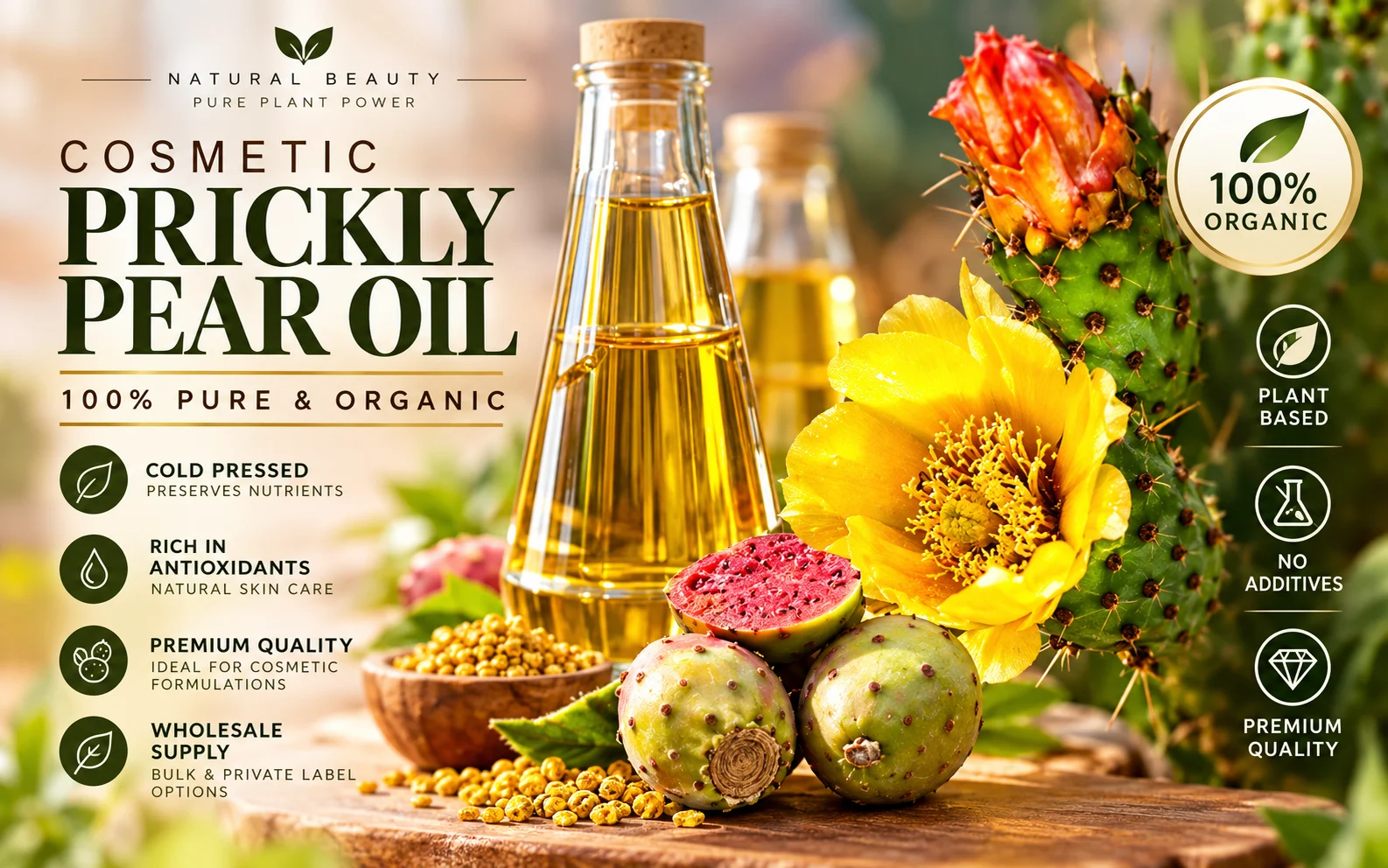
Prickly Pear Seed Oil
A light, fast-absorbing facial oil, naturally rich in vitamin E and linoleic acid. One of the most prized premium oils in natural skincare.
Best for: facial serums, normal to combination skin.
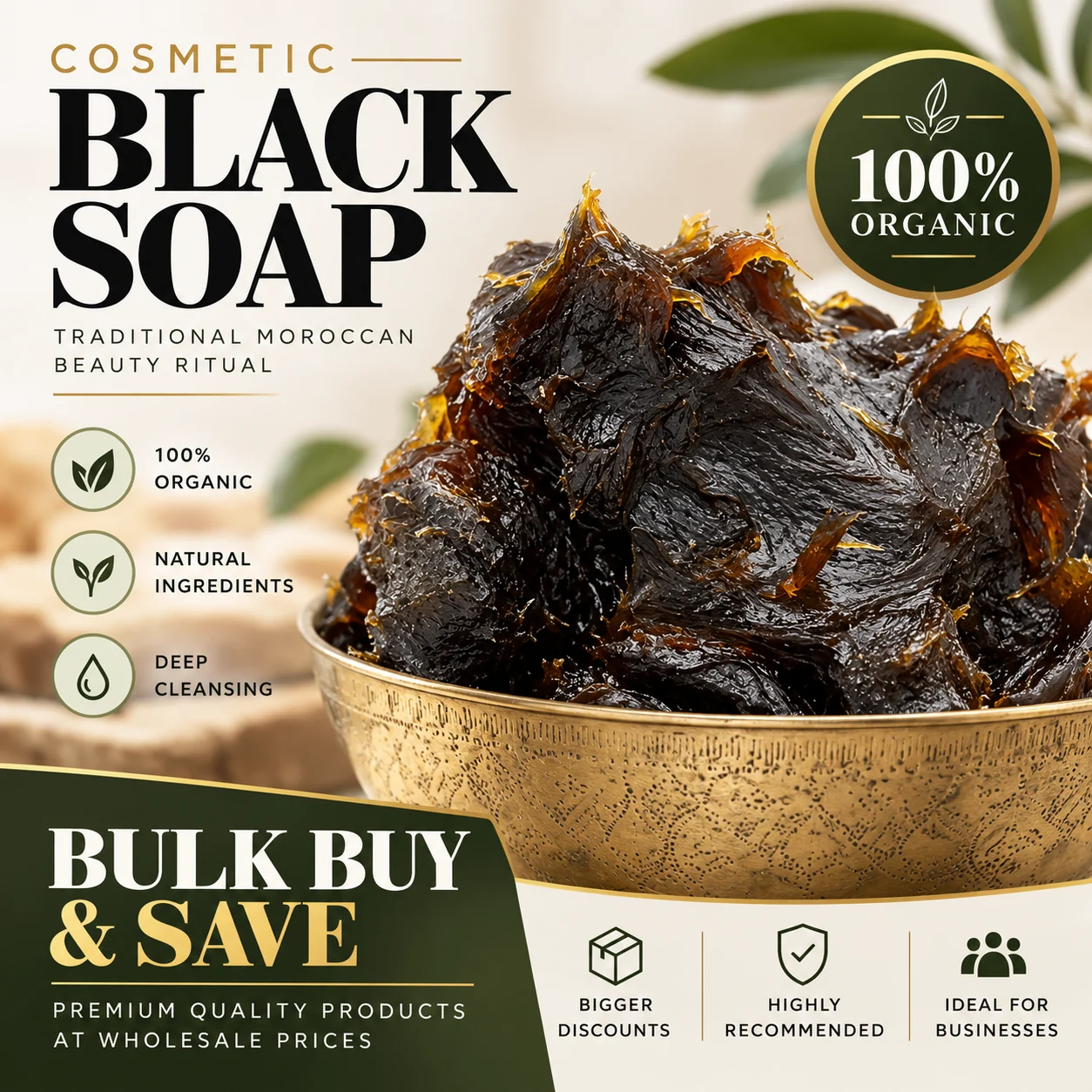
Moroccan Black Soap (Savon Beldi)
A soft olive-based soap that prepares the skin for exfoliation with a kessa glove — the first step of the hammam ritual.
Best for: body care, spa and hammam treatments.
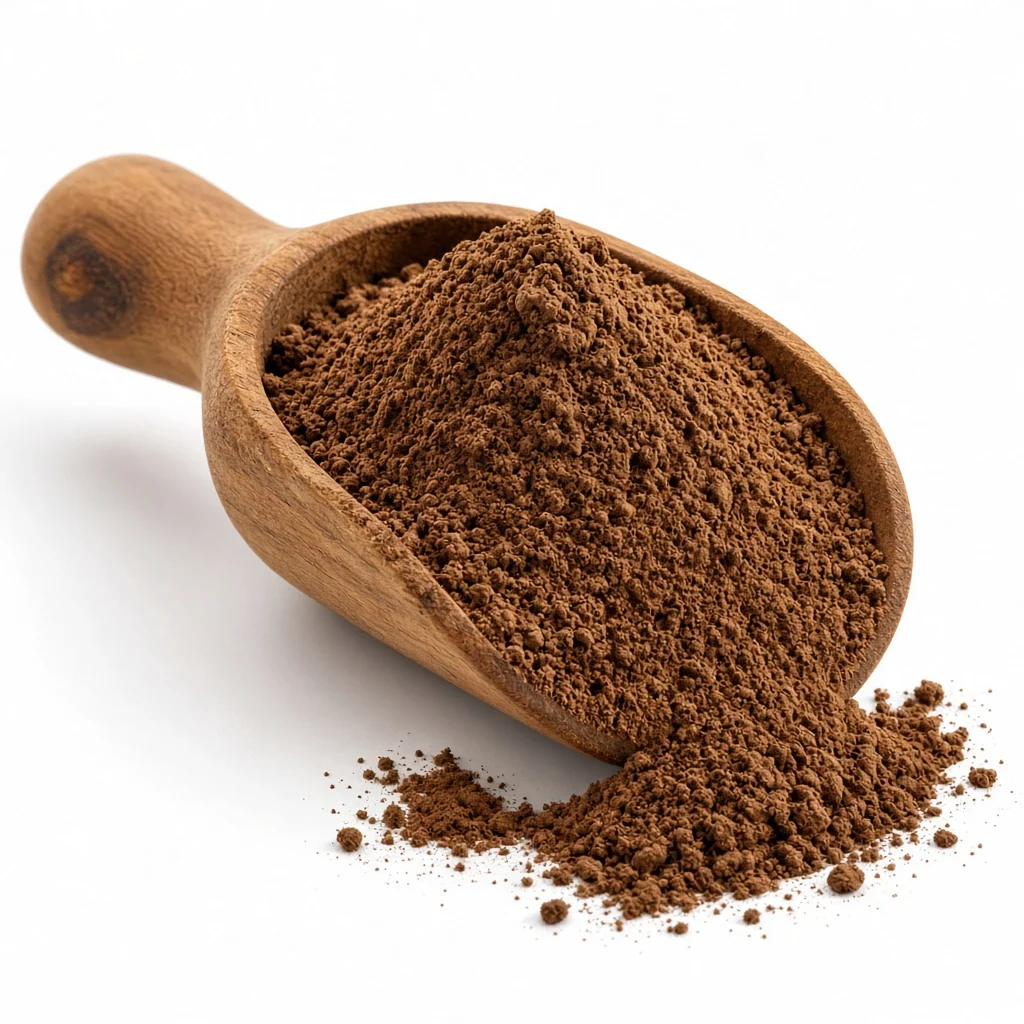
Rhassoul (Ghassoul) Clay
A mineral clay from the Atlas Mountains, used to cleanse skin and hair and absorb excess oil without harsh detergents.
Best for: oily and combination skin, clay masks, natural hair washing.
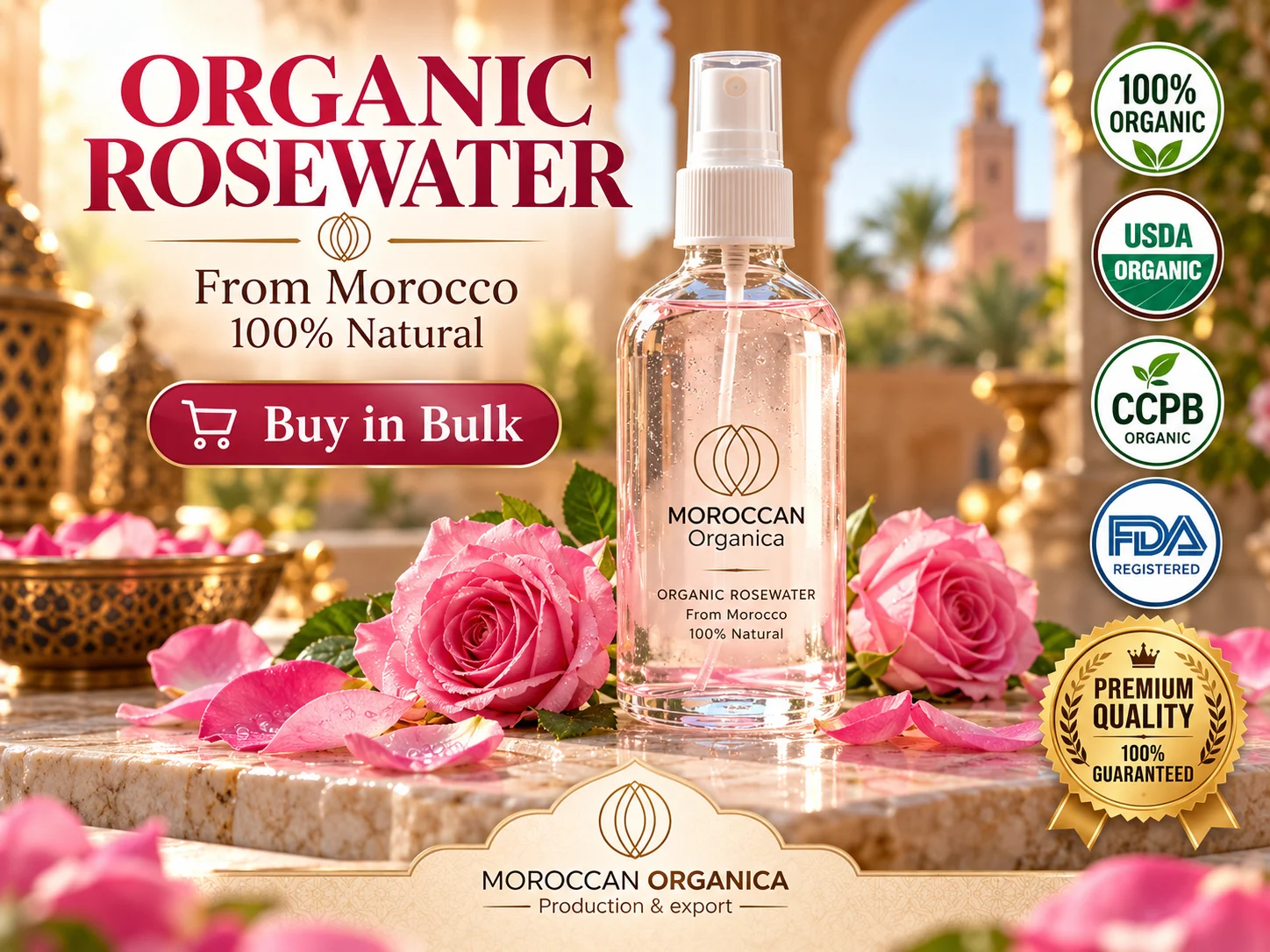
Moroccan Rose Water
A gentle, refreshing floral water used as a toner or face mist and to mix clay masks.
Best for: daily toning, sensitive skin routines, mixing with rhassoul.
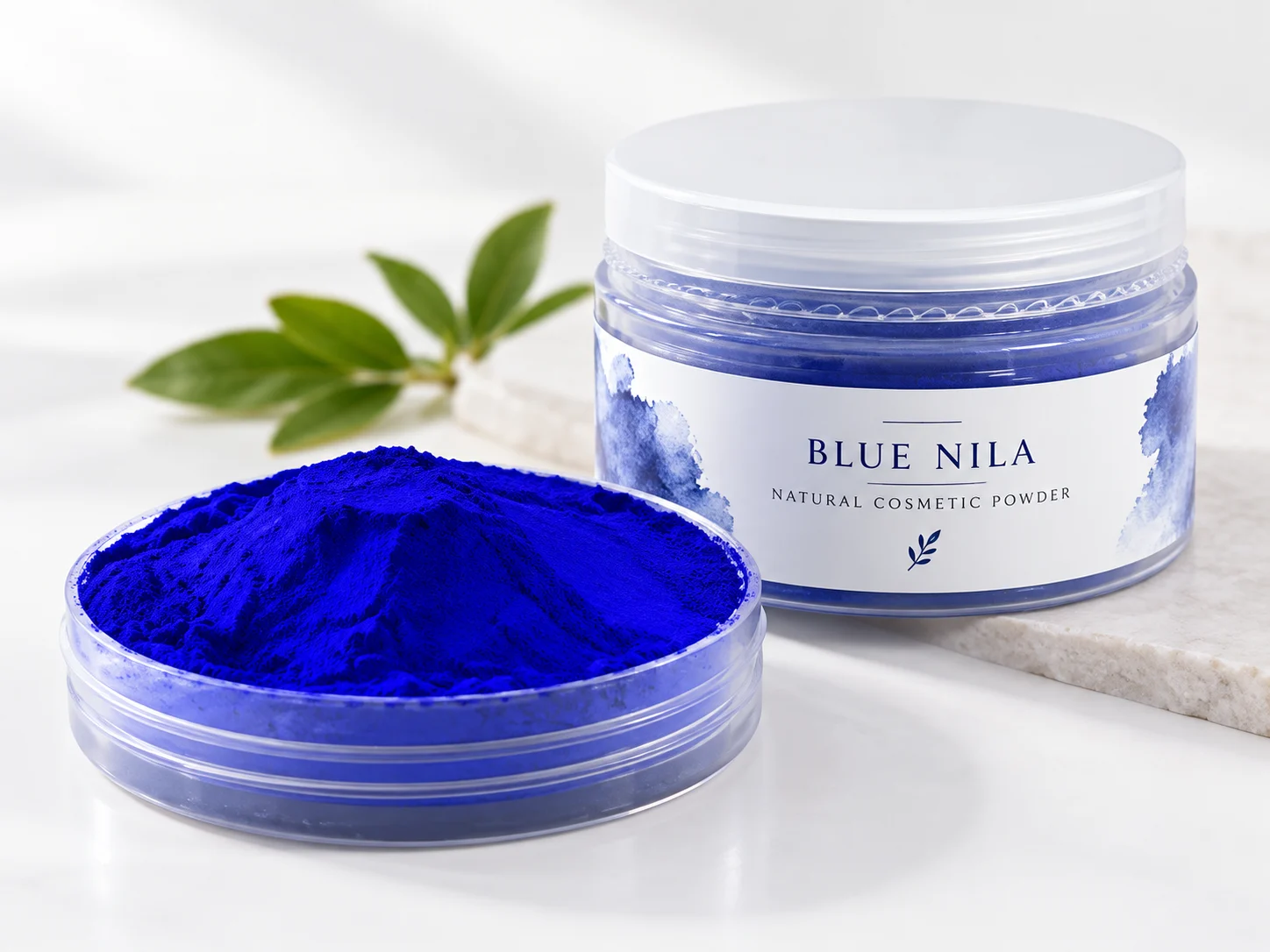
Moroccan Nila Powder
A vivid blue mineral powder used in traditional masks and hammam rituals. Benefits are rooted in Moroccan practice; clinical research is limited.
Best for: brightening masks, hammam lines, heritage and spa rituals.
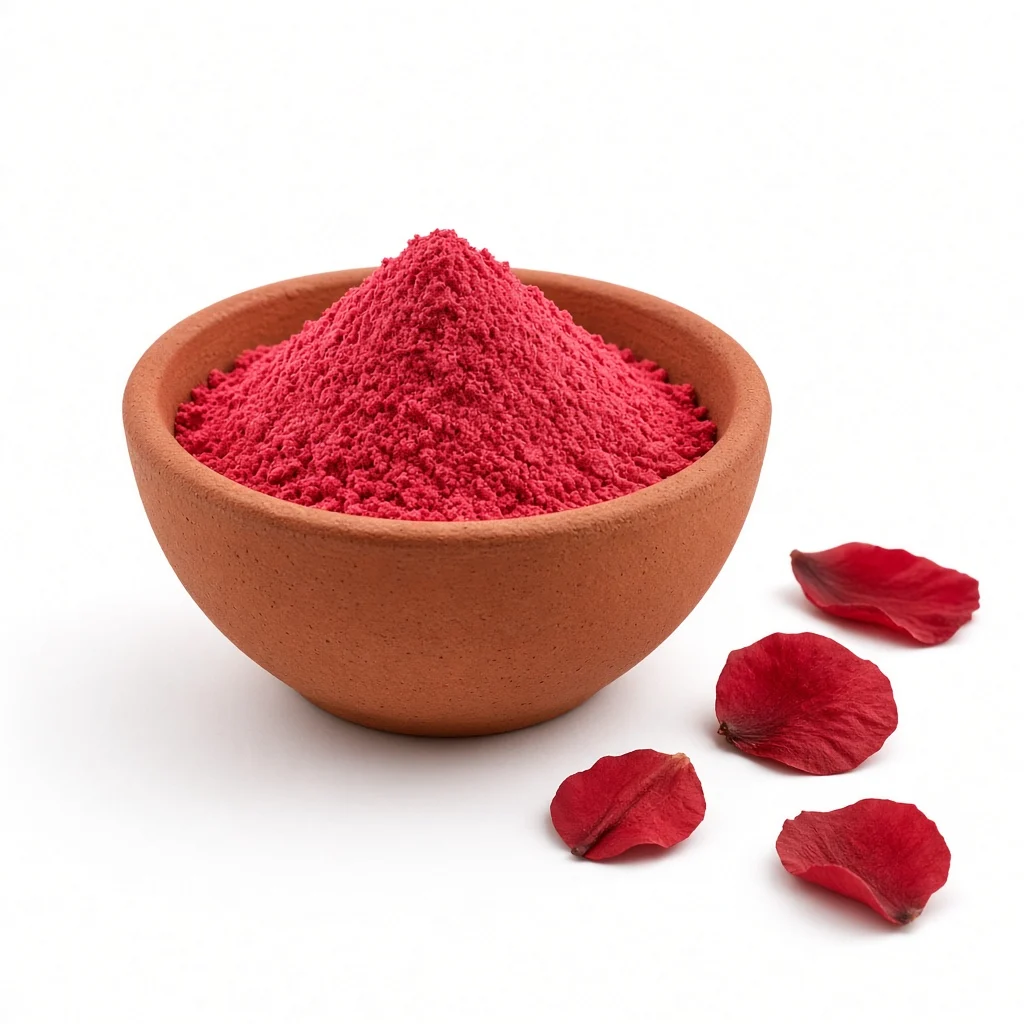
Aker Fassi
A poppy-petal powder prized as a natural tint for lips and cheeks and in traditional beauty recipes. Evidence is mostly traditional rather than clinical.
Best for: lip and cheek color, natural makeup, niche heritage brands.
For Brands: Benefits You Can Safely Claim
Cosmetic claims are regulated. In the EU, claims must meet Regulation (EU) No 655/2013 — truthful, evidenced, and fair. In the US, wording like "moisturizes dry skin" is cosmetic; disease or hair-growth claims can cross into drug territory.
Stick to benefits your formula and studies support: helping skin retain moisture, improving the look of elasticity, taming frizz, or cleansing without harsh detergents — not cures, medical outcomes, or guaranteed regrowth.
Our ingredient guides spell out "say this / not this" examples so your labels stay defensible. When you are ready to source, we can support private label programs with documentation aligned to your market.
Find the Right Ingredient for Your Need
| Your need | Best ingredient | Why |
|---|---|---|
| Dry or mature skin | Argan oil | Helps skin retain moisture (supported by studies) |
| Light facial oil | Prickly pear seed oil | Fast-absorbing, rich in vitamin E |
| Oily or combination skin | Rhassoul clay | Cleanses and absorbs excess oil |
| Frizzy or color-treated hair | Argan oil | Tames frizz; helps protect dyed hair (lab studies) |
| Full hammam ritual | Black soap + kessa + rhassoul + argan oil | The traditional step-by-step routine |
| Refreshing toner | Rose water | Gentle, suitable for daily use |
Frequently Asked Questions
Which Moroccan ingredient is best for dry skin?
Argan oil is the best-researched option: clinical studies show it helps skin retain moisture. Prickly pear seed oil is a lighter alternative for facial care.
Are Moroccan beauty products suitable for sensitive skin?
Pure, fragrance-free products are usually well tolerated. Products with added perfume are more likely to irritate. Always patch-test a new product first.
Can I use these benefits on my own product labels?
You can use cosmetic claims such as helps skin retain moisture or tames frizz, if you can support them. Medical claims such as cures eczema or makes hair grow are not allowed for cosmetics in the EU or the US.
What is the difference between Moroccan black soap and African black soap?
Moroccan black soap (savon beldi) is a soft, gel-like soap made from olive paste and olive oil, used in the hammam before exfoliation. African black soap comes from West Africa and is made with different ingredients, such as plant ashes and shea butter.
Which Moroccan ingredient is best for dry skin?
Argan oil is the best-researched option: clinical studies show it helps skin retain moisture. Prickly pear seed oil is a lighter alternative for facial care.
Can I use these benefits on my own product labels?
You can use cosmetic claims such as helps skin retain moisture or tames frizz, if you can support them. Medical claims such as cures eczema or makes hair grow are not allowed for cosmetics in the EU or the US.
Are Moroccan beauty products suitable for sensitive skin?
Pure, fragrance-free products are usually well tolerated. Products with added perfume are more likely to irritate. Always patch-test a new product first.
What is the difference between Moroccan black soap and African black soap?
Moroccan black soap (savon beldi) is a soft, gel-like soap made from olive paste and olive oil, used in the hammam before exfoliation. African black soap comes from West Africa and is made with different ingredients, such as plant ashes and shea butter.